
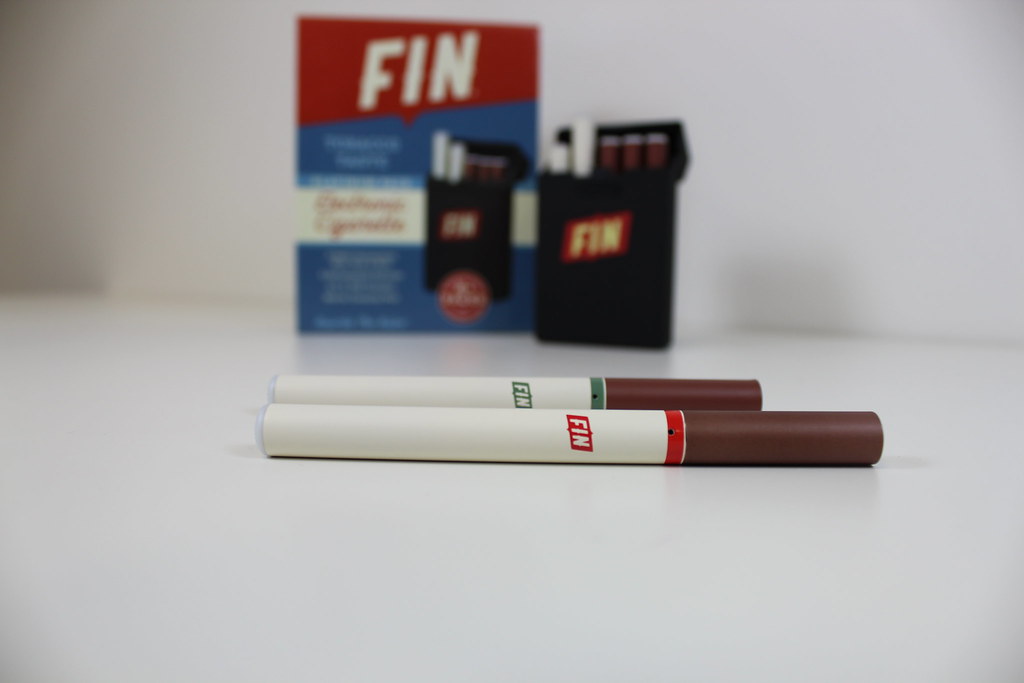
On May 15, 2024, Law 2354 of 2024 came into effect, amending and extending the provisions of Law 1335 of 2009, known as the Anti-Tobacco Law, to regulate the use and sale of vapes and electronic cigarettes. This new legislation primarily aims to protect public health, especially that of minors and non-smokers, by extending and implementing restrictions and sanctions.
Key Points!
- Expansion of the Scope of the Anti-Tobacco Law:
- Law 2354 of 2024 includes Electronic Nicotine Delivery Systems (ENDS), Similar Systems Without Nicotine (SSWN), Heated Tobacco Products (HTP), and Oral Nicotine Products (ONP) within the regulatory framework of the Anti-Tobacco Law; that is, their derivatives, substitutes, or imitators and the devices necessary for their operation.
- Restrictions on consumption, sale, advertising, and promotion that previously applied exclusively to traditional tobacco products are extended.
- Consumer Rights:
- Consumers of these products have the right to access information, according to the Consumer Statute; therefore, the application of advertising and promotion prohibitions stipulated in the Anti-Tobacco Law is extended, for example, with packaging including health warnings.
- Access to tobacco prevention and cessation programs, aligned with the guidelines of the Ministry of Health and Social Protection.
- Educational and Public Health Measures:
- The Ministry of Health and Social Protection is responsible for designing and implementing educational campaigns on the health risks associated with the use of ENDS, SSWN, HTP, and ONP. These campaigns are aimed at the entire population, with a special focus on children and young people.
- Sanctioning Regime:
- The sanctions of the Anti-Tobacco Law are extended to vapes and electronic cigarettes.
- For importers and manufacturers that violate advertising and packaging regulations, the Superintendence of Industry and Commerce (SIC) may impose fines ranging from 250 to 400 times the current monthly legal minimum wage (SMMLV).
- For retail and wholesale merchants, fines range between 2 and 5 SMMLV.
- Sanctions for selling to minors are regulated in the Police Code.
- Transition Period:
- A one-year period from the law's entry into force is granted for tobacco substitute products, imitators, and devices necessary for their operation to comply with Articles 13, 14, 15, 16, and 17 of Law 1335 of 2009.
Implications for Business Owners
This new regulation has several implications for business owners engaged in the importation, manufacturing, and/or commercialization of vapes and electronic cigarettes:
- Strict Compliance: It is crucial for business owners to adjust their commercial practices to comply with the new advertising and packaging provisions. Non-compliance may result in significant economic sanctions.
- Review of Marketing Strategies: Given that advertising and promotion are restricted, companies must reassess their marketing strategies to ensure they do not violate the law. This includes health warnings that must be included on packaging and labeling, as they cannot be directed at minors or appear attractive to them, and certainly cannot be sold to them.
- Preparation for the Transition Period: Take advantage of the one-year period granted to implement necessary changes, i.e., until May 2025.